
Health
Buck Teeth in Children and Adults: Causes, Corrections, and Prevention

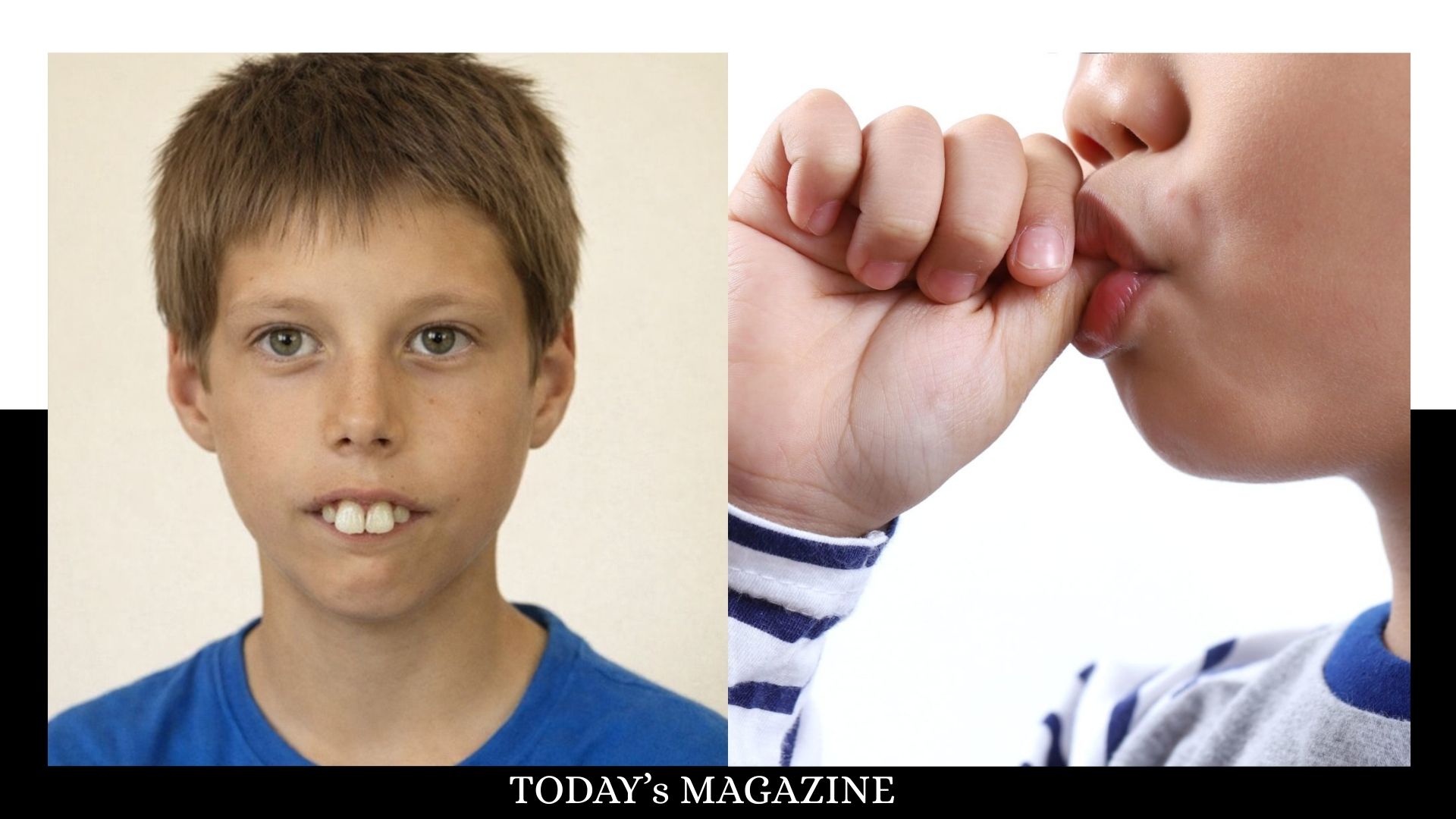
Buck teeth, clinically referred to as an overjet, are a common dental condition in which the upper front teeth extend forward beyond the lower teeth. The degree of protrusion can vary from mild to severe. While some people view buck teeth as a distinctive and even charming feature, others seek treatment due to concerns related to appearance, speech, chewing efficiency, or long-term oral health.
In 2026, orthodontic and dental technology has advanced significantly, offering more precise, comfortable, and discreet treatment options than ever before. From clear aligners and ceramic braces to early jaw-growth guidance and minimally invasive cosmetic procedures, individuals of all ages now have effective solutions available. Understanding buck teeth requires examining not only how they look, but also how they develop and how they can impact overall dental health over time.
What Are Buck Teeth (Overjet)?
Buck teeth describe a horizontal misalignment where the upper front teeth project outward beyond the lower teeth. Dentists measure this protrusion in millimeters and refer to it as an overjet. A normal overjet is typically between 2 and 3 millimeters. When the measurement exceeds this range, it is considered excessive and may require evaluation.
It is important to distinguish buck teeth from other bite conditions. An overbite refers to the vertical overlap of the upper and lower teeth, while buck teeth involve forward projection. Although the two conditions can exist together, they are clinically different and treated differently.
Buck teeth can affect more than appearance. Depending on severity, they may influence lip closure, facial balance, speech articulation, chewing efficiency, tooth wear, and vulnerability to dental trauma.
Common Causes of Buck Teeth
Buck teeth rarely occur without an underlying cause. In most cases, they develop due to a combination of genetic, developmental, and behavioral factors.
Genetics plays the most significant role. Jaw shape, tooth size, and facial structure are inherited traits. A person may inherit a larger upper jaw, a smaller lower jaw, or teeth that are disproportionately sized, leading to natural protrusion.
Childhood habits also contribute. Prolonged thumb sucking, pacifier use, or bottle feeding beyond early childhood can apply continuous pressure to the front teeth, gradually forcing them forward during critical growth stages.
Tongue thrusting is another contributing factor. This habit involves pushing the tongue against the back of the front teeth while swallowing or speaking. Over time, repeated pressure can shift teeth outward, particularly in children.
Jaw development imbalances can also cause buck teeth. An underdeveloped lower jaw or an overdeveloped upper jaw creates a horizontal gap between the teeth, often requiring orthodontic or surgical correction.
Types and Severity Levels of Buck Teeth
Buck teeth are not a one-size-fits-all condition. Orthodontists classify overjets based on severity and structural involvement.
| Severity Level | Overjet Measurement | Description | Common Treatment |
|---|---|---|---|
| Mild | 3–5 mm | Slight protrusion, mostly cosmetic | Clear aligners or minor orthodontics |
| Moderate | 5–8 mm | Noticeable protrusion affecting bite | Braces or aligners |
| Severe | 8 mm or more | Significant skeletal imbalance | Braces combined with jaw surgery |
The treatment approach depends on both the measurement and whether the issue is dental or skeletal in nature.
How Buck Teeth Affect Oral Health
While mild cases may be largely cosmetic, moderate to severe buck teeth can impact oral health in several ways.
Protruding teeth are more vulnerable to chipping or fracture during falls or accidents. This is especially concerning in children and adolescents.
Chewing inefficiency is another issue. Misaligned teeth may not meet properly, making it difficult to break down food effectively, which can strain jaw muscles over time.
Speech difficulties can occur, particularly lisps or altered pronunciation of certain sounds. In addition, improper bite alignment may contribute to jaw pain, tension headaches, and uneven tooth wear.
Modern Treatment Options in 2026
Treatment for buck teeth depends on age, severity, and underlying cause. Modern dentistry offers a wide range of solutions.
Orthodontic braces remain the gold standard for moderate to severe cases. Metal and ceramic braces gradually reposition teeth and correct bite alignment over an average period of 18 to 36 months.
Clear aligners such as Invisalign and Aligner32 are popular for mild to moderate cases. They are removable, discreet, and allow for easier oral hygiene during treatment.
Cosmetic dentistry is an option for minor protrusion. Dental bonding, veneers, or crowns can improve appearance without moving tooth roots, though these do not correct underlying bite issues.
Palate expanders are commonly used in children to widen a narrow upper jaw. Early intervention can prevent worsening protrusion and reduce the need for surgery later.
Jaw surgery, also known as orthognathic surgery, is reserved for severe skeletal discrepancies, typically involving overjets of 8 millimeters or more. This procedure repositions the jaw for functional and structural correction.
Buck Teeth in Children vs Adults
Treating buck teeth in children is often easier because their jaws are still developing. Early orthodontic evaluation allows professionals to guide growth and prevent severe misalignment.
Adults can still successfully treat buck teeth, although treatment may take longer and, in some cases, require surgical intervention. Advances in orthodontics have made adult treatment more comfortable and discreet than ever before.
Prevention and Early Intervention
Early orthodontic evaluation plays a critical role in prevention. The American Association of Orthodontists recommends a first assessment by age seven.
Addressing harmful oral habits early, monitoring jaw growth, and using interceptive appliances when necessary can reduce the severity of buck teeth and limit future treatment complexity.
Final Thoughts
Buck teeth are a common and manageable dental condition. While many people choose to embrace them, others seek correction for health, comfort, or confidence reasons. In 2026, advancements in orthodontics and dentistry provide safe, effective, and personalized treatment options for individuals at any stage of life. Early evaluation, proper diagnosis, and consistent follow-up care are key to achieving and maintaining a healthy, balanced smile.
Frequently Asked Questions
Can buck teeth be fixed at home?
No. DIY methods such as pushing teeth with fingers or using rubber bands are dangerous and can cause permanent damage, including tooth loss and jaw injury.
Are buck teeth the same as an overbite?
No. Buck teeth involve horizontal protrusion, while an overbite refers to vertical overlap. They are different conditions.
Is treatment always necessary?
Not always. Mild cases may not require treatment unless functional or aesthetic concerns arise.
Can adults still correct buck teeth?
Yes. Adults can successfully treat buck teeth using braces, aligners, cosmetic dentistry, or surgery, depending on severity.
Will buck teeth return after treatment?
Relapse can occur if retainers are not worn as prescribed. Long-term retainer use is essential to maintain results.

Misinformation about teeth whitening often leads to confusion and unmet expectations. Understanding what is true and what is not can help you make safe and well-informed decisions about improving your smile.
As social media and everyday camera use highlight our smiles, more people are interested in achieving brighter teeth. With this increased demand comes a flood of information—some accurate and some misleading. Learning about tooth colour, the limitations of whitening, and when to seek reliable advice is important for making good choices. In response, dentists in Reading have observed patients bringing up new topics related to cosmetic treatments in modern dental appointments.
Rising demand for whiter teeth in everyday life
The desire for visibly whiter teeth is no longer limited to celebrities or high-profile individuals. Advances in technology, frequent video conferencing, and pop culture have put added emphasis on appearance, prompting many people to consider whitening as a standard part of self-care. For some, a gleaming smile represents vitality and confidence, making whitening procedures one of the most asked-about cosmetic treatments at dental practices worldwide.
However, increased interest often leads to confusion about which options actually work and what results to expect. Quick-change stories and dramatic visual makeovers in media can fuel mistaken beliefs about the speed and ease of whitening. Dentists encounter many patients unsure about the safety, effectiveness, or duration of teeth whitening treatments. These real-life questions highlight the importance of reliable, specific information for anyone considering a whiter smile—no matter their background.
The science behind natural tooth colour change
The underlying colour of teeth is influenced by both the enamel’s translucency and the colour of dentine underneath. Enamel, the tough outer layer, allows the slightly yellow dentine to show through to some degree. Drinking beverages such as coffee or tea, smoking, and natural ageing can all cause surface stains that deepen over time. Certain medications and health changes can also affect the interior layer, producing a type of discolouration that is more challenging to change.
Stains may develop on the outer enamel or within the deeper dentine. Extrinsic stains, mostly a result of diet or habits, are generally easier to address, while intrinsic changes require other approaches. Oral hygiene and lifestyle choices often impact the brightness of teeth to a greater extent than inherited factors. Understanding these causes sets realistic expectations for what whitening can achieve and helps with selecting suitable options.
Understanding myths about whitening safety and effectiveness
It is often assumed that all whitening treatments are harsh on enamel, but reputable whitening products are formulated to minimise damage and mainly act on stains close to the surface. Treatments using hydrogen peroxide or carbamide peroxide break down the molecules causing discolouration through controlled chemical processes. While some people experience brief sensitivity, lasting enamel harm is rare if instructions are strictly followed. For those with fragile teeth or high sensitivity, speaking with a dental professional first is advised to assess individual risks.
Another mistaken idea is that household or “natural” whitening methods are inherently safer than products approved by dental authorities. Many homemade solutions, such as those using acidic or abrasive components, can actually harm enamel or irritate gums. Professionally monitored whitening is intended to be both safer and more effective, while unregulated options can be unpredictable and may not deliver consistent results. Dental experts regularly caution that “natural” does not always mean harmless, particularly if approaches are aggressive or repeated too often.
Personal factors and realistic expectations for whitening
Individual results from whitening vary. Dental work such as crowns or veneers remains unchanged in colour, so people who have restorations might notice uneven results. Discolouration from internal factors—medications, injuries, or age—can be difficult to reverse with surface treatments alone. The starting shade of someone’s teeth and their unique history also influence what can be achieved. Dentists typically recommend having an honest conversation about the likely results and any restrictions before beginning treatment.
Whitening is not a lifetime guarantee, as habits like consuming pigmented foods, drinks, or tobacco will gradually dull the effect, requiring periodic maintenance. Good oral hygiene and limiting sources of staining will help preserve the brightness. Over-the-counter kits and professionally supervised methods differ significantly. Dental supervision generally assures a tailored approach, stronger whitening agents, and custom-fitted trays, leading to more reliable results. This helps explain why visiting a dentist in Leicester may produce outcomes that are more consistent compared to home-use products.
Safe whitening: Making informed decisions for your smile
Certain groups, such as people with untreated dental disease, severe sensitivity, pregnant or breastfeeding individuals, or children, are usually advised to wait before pursuing whitening. An initial dental check ensures any underlying conditions are treated first and assesses suitability for whitening. Choosing regulated methods, understanding the risks of overuse, and keeping realistic aims all contribute to a safer and more satisfying experience.
Ultimately, gathering trustworthy information about what whitening can and cannot do—and the importance of regular care—can help you achieve better, longer-lasting results. Consulting a dental professional who can recommend tailored options based on your needs remains the best step towards a whiter, healthier smile.
Regular dental check-ups serve a purpose beyond standard tooth care. Dentists are skilled at identifying subtle oral changes that can be early warning signs of broader health concerns, making dental visits a valuable tool in detecting a range of medical conditions while they are still in their initial stages.
While it is common to associate dental appointments only with oral hygiene, dentists in Liverpool are also trained to look for oral signs that might reflect health issues elsewhere in the body. The condition of the mouth can reveal changes linked to various systemic conditions. During a dental examination, the assessment often includes much more than evaluating for tooth decay or removal of plaque. This broader approach helps highlight how dental care intersects with overall health, reinforcing why these check-ups are relevant for more than just dental wellbeing.
The mouth reveals early clues for wider health
Mouth tissues frequently show some of the earliest signs of medical conditions before they become apparent elsewhere. Dentists routinely check for persistent oral sores, gum inflammation, unusual bleeding, or altered colour and texture of oral surfaces. Such presentations can originate from local issues but may also serve as indicators of systemic conditions or reactions to certain medications.
As part of their assessment, dentists look inside the mouth—including cheeks, tongue, and palate—search for any abnormalities, and check lymph nodes and the jaw area for swelling or sensitivity. Saliva production and consistency are also considered, as changes might point to dehydration or medication side effects. By observing these early markers, dental professionals are often able to prompt further investigation or closer monitoring by medical practitioners.
How gum disease links to other health conditions
Studies have demonstrated connections between oral health—specifically the gums—and the broader body. Long-term gum inflammation, known as periodontitis, has been linked with an increased risk of health conditions such as diabetes or cardiovascular disease. The mechanisms are complex, but it is thought that oral bacteria and resulting inflammation can contribute to systemic inflammation, which in turn may affect blood vessels and other organs.
Because gum disease can progress with few obvious symptoms, ongoing dental assessments are important for catching changes early. Dentists keep an eye out for indications like gums that bleed, look swollen, or begin to recede. Noticing these signs may alert patients to underlying health concerns, supporting timely referral to medical professionals if warranted.
Oral manifestations of diabetes and wider health risks
Diabetes can have noticeable effects inside the mouth—sometimes even before someone knows they have it. Raised sugar levels can weaken the ability to fight infection, increasing the risk for gum problems that persist or are difficult to manage. During exams, dentists may observe slow-healing oral tissues, repeated mouth ulcers, and symptoms of dry mouth, which can align with underlying blood sugar disturbances. When such findings are present, dentists in Leicester sometimes recommend a medical review for undiagnosed diabetes, especially if additional risk factors are known.
The relationship between gum health and diabetes works both ways. Poor blood sugar regulation makes gum problems harder to control, while longstanding gum inflammation can complicate diabetes management. For people living with, or at risk for, diabetes, monitoring oral health at regular dental check-ups provides useful insights into wider patterns that could benefit from medical attention.
Spotting less obvious oral health indicators
Dentists remain alert to a variety of oral changes that may signify broader health issues beyond gum disease and diabetes. For example, long-term dry mouth may develop as a side effect of some medications or could relate to conditions like Sjögren’s syndrome. Fungal infections, such as oral thrush, could reflect changes in immunity or stem from inhaler use. Unusual wear on teeth or specific patterns of tooth destruction may hint at disorders like sleep apnoea or tooth grinding, both of which can have broader health implications.
Additionally, persistent ulcers, unusual patches, or unexplained lumps can sometimes be early signs of oral cancer. Early recognition is important, so dentists track and document unusual findings and, where appropriate, advise that patients seek further assessment. Routine dental appointments serve not only patients’ immediate oral health but also support the early detection of conditions that might otherwise go unresolved.

Emotional support animals (ESAs) provide therapeutic benefits that have a profound impact on the symptoms a person experiences due to a mental disability. While they may not appear like they do much, emotional support animals are an irreplaceable part of life for many individuals relying on these animals.
Considering how important they are, federal law protects emotional support animals. These animals and their owners have housing rights that enable them to live in no-pet housing without being subject to any extra pet fees, deposits, or pet rent, but what about hotels? Can hotels charge for emotional support animals as they can for pets?
In this article, we will provide a detailed answer to this question. If you’re planning to have your emotional support animal with you on your next trip, continue reading to the end to learn what the law says about emotional support animals and hotels.
Emotional Support Animal Legal Definition
Before we answer whether hotels can charge for emotional support animals, let’s outline the definition of what an emotional support animal is in the first place.
An emotional support animal is an animal that is prescribed by a licensed mental health professional (LMHP) to help an individual manage the symptoms of a mental disability. They can be any reasonable pet animal, like a dog, cat, even a goldfish; and they don’t need to perform tasks like a service animal. The routine that comes from caring for an ESA is the key support they provide. Most commonly, emotional support animals are there to help individuals with anxiety, depression, and PTSD.
However, for an animal to be an emotional support animal, an individual must have an ESA letter from their mental health provider. This document acts as proof that an individual requires their animal due to a mental disability. Without it, the animal won’t have the ESA title, and without it, any privileges that come with it.
Can Hotels Charge for Emotional Support Animals?
Yes, hotels can charge for emotional support animals. The Fair Housing Act, the federal law that protects emotional support animals in housing, doesn’t apply to hotels. Any hotel can legally charge pet fees for emotional support animals as they can for pets.
Just as they can charge for emotional support animals, hotels can also reject them. They aren’t obligated to allow emotional support animals, unlike service animals, which are also protected by the Americans with Disabilities Act.
However, you may find hotels that make an exception for emotional support animals, even though they don’t have a legal obligation to do so. Some hotels allow emotional support animals free of charge while charging a small fee for pets.
That said, there are some important factors to keep in mind. For one, ESAs require documentation (an official ESA prescription from a LMHP) and most hotels that accommodate ESAs will need to at least see some proof that you have one. If you’ve registered your emotional support animal with registries like US Service Animals, you can show them the ID Card you have. If not, you will likely need to present your ESA letter as proof that your animal is an emotional support animal to avoid paying extra in pet stay fees.
Can Hotels Charge for Emotional Support Animals When Using Airbnb?
There are also countless hotels that list their rooms on Airbnb. When using Airbnb to book your hotel room, you may be charged extra for pet fees, either as you pay for it on the Airbnb website or in person when you check in. The hotel may also set up an extra payment on Airbnb that you will need to pay prior to checking in. Be sure to check the instructions on Airbnb and contact the hotel before bringing your emotional support animal.
Remember, you can’t just bring your emotional support animal unannounced. You must inform the host, or the hotel in this case, that you’ll be bringing an emotional support animal. Since they don’t have a legal obligation to allow emotional support animals, they may not accept them in the first place. Therefore, you should always include your emotional support animal as a pet when you submit your request to book.
Can You Reject Paying Emotional Support Animal Charges?
If a hotel charges for emotional support animals, there isn’t much you can do, unfortunately. You will need to pay the extra fee to have your emotional support animal stay with you. If your emotional support animal is also your service animal, it would be unlawful for the hotel to charge extra fees. Remind them about the law, and if they don’t comply, you can file a complaint with the Americans with Disabilities Act.

Who Is Jayden Brown Australian Dressage Rider Lifestyle Net Worth and Success Story

Teeth Whitening Myths and Facts Explained

How Dental Check Ups Can Help Spot Early Signs of Wider Health Issues

How Advanced SystemCare 19 Helps Optimize and Protect Your Windows PC

A Guide to Hybrid Monetization and LiveOps in 2026

What Should You Know Before Buying a Sofa Online?

Enclomimed 25 (Enclomiphene) – Effective PCT Protocol

Roy Hodges: Biography, Lifestyle, Net Worth, Family & Success Story (2025)

Who Is Maisie Mae Roffey? The Private Life, Family Story, and Quiet Success of Julie Walters’ Daughter

Nancy Hallam: The Inspiring Life, Career, and Success Story Behind Ian Wright’s Wife

Draven Duncan: Tim Duncan’s Rising Star Son and His Inspiring Basketball Journey

Who Is Daniel Clifton Pratt? Inside the Life, Family Values, and Legacy Behind Chris Pratt’s Father
Enclomimed 25 (Enclomiphene) – Effective PCT Protocol
Roy Hodges: Biography, Lifestyle, Net Worth, Family & Success Story (2025)
Who Is Maisie Mae Roffey? The Private Life, Family Story, and Quiet Success of Julie Walters’ Daughter
Nancy Hallam: The Inspiring Life, Career, and Success Story Behind Ian Wright’s Wife
Draven Duncan: Tim Duncan’s Rising Star Son and His Inspiring Basketball Journey
Who Is Daniel Clifton Pratt? Inside the Life, Family Values, and Legacy Behind Chris Pratt’s Father
-
 Health2 months ago
Enclomimed 25 (Enclomiphene) – Effective PCT Protocol
-
Celebrity4 months ago
Roy Hodges: Biography, Lifestyle, Net Worth, Family & Success Story (2025)
-
Celebrity4 months ago
Who Is Maisie Mae Roffey? The Private Life, Family Story, and Quiet Success of Julie Walters’ Daughter
-
Celebrity5 months ago
Nancy Hallam: The Inspiring Life, Career, and Success Story Behind Ian Wright’s Wife
-
Celebrity3 months ago
Draven Duncan: Tim Duncan’s Rising Star Son and His Inspiring Basketball Journey
-
Celebrity3 months ago
Who Is Daniel Clifton Pratt? Inside the Life, Family Values, and Legacy Behind Chris Pratt’s Father
-
 Celebrity5 months ago
Charlotte Edwardes: The Inspiring Journey of a British Journalist and Robert Peston’s Partner
-
 Celebrity5 months ago
Jack Scott Ramsay: The Spirited Son of a Culinary Legend and a Star in His Own Right