
Entertainment
How much does a two-week backpacking trip across Latin America cost in 2026?

Meticulous financial planning is key for a Latin American backpacking trip. In 2026, a two-week backpacking trip across Latin America typically costs between $420 and $1,120 USD for a solo budget traveler. This estimated total cost is heavily influenced by your choice of destinations, ranging from the affordable highlands of Bolivia to the pricier coastal regions of Costa Rica.
While long-term Latin America shoestring backpackers might spend around $1,200 to $1,300 for an entire month, a focused fourteen-day itinerary allows you to experience the magic of the region without completely draining your savings. Prioritizing local experiences helps keep your adventure within budget.

What is the average daily budget for a backpacker in Latin America?
The average daily budget for a backpacker in Latin America generally falls between $30 and $80 USD. This wide range accounts for different travel styles, from strict shoestring backpackers who prioritize hostel dorms and local transport, to those who occasionally splurge on private rooms or guided tours. For a mixed itinerary spanning both Central and South America, you can expect an averaged daily budget of around $35 to $50 USD.
South America backpacking specifically averages between $30 and $60 daily, though this can spike in certain highly sought-after destinations like Patagonia. Central America backpacking offers a slightly different spectrum, with daily costs ranging from $20 to $65 depending entirely on which borders you cross. Ultimately, your daily spend will dictate whether your two-week adventure leans closer to the $420 minimum or the $1,120 maximum.
Which countries offer the cheapest backpacking experience?
The specific nations you choose to explore will dramatically alter your overall expenditure, as regional economies vary significantly. Bolivia remains the absolute most affordable country in South America for backpackers, with a remarkably low daily budget requirement of $20 to $35 USD. In Central America, Guatemala stands out as one of the most budget-friendly options, requiring only $20 to $40 daily, alongside Nicaragua, which shares a similar affordable profile of $20 to $35. Conversely, if you plan to visit Costa Rica, you will be entering the most expensive country in Central America, where daily costs jump to $45 to $65.
Other nations present a middle ground:
- Mexico: $25 to $50
- Colombia: $25 to $50
- Argentina: $30 to $55
- Brazil & Chile: $40 to $60
How much should you budget for accommodation and food?
Over the course of fourteen days, you should allocate between $140 and $350 USD specifically for accommodation. This assumes you will be staying primarily in hostel dormitories, which generally range from $5 to $25 per night depending on the country and the popularity of the specific city.
For sustenance, a two-week food budget typically falls between $84 and $196 USD. To hit this target, you must prioritize eating like a local. Meals at local markets, street food stalls, or small family-run restaurants generally cost between $2 and $7. By consuming three of these affordable meals a day, you can keep your culinary expenses remarkably low while still enjoying authentic regional flavors. Avoiding international restaurant chains and tourist-centric eateries is the most effective strategy to ensure your food and lodging costs remain within the projected shoestring parameters.

What are the expected costs for transportation and activities?
For local transportation and regional buses over a two-week period, expect to spend between $70 and $210 USD. Utilizing overland buses between affordable countries, such as a route from Mexico through Guatemala, or Colombia into Peru, is the best way to minimize costs. Rides on local transit, often referred to as chicken buses in Central America, generally cost a mere $3 to $15 per journey.
When it comes to activities and entry fees, you should budget an additional $50 to $200 USD. This allowance covers minor excursions and national park entries. However, major bucket-list experiences will drastically inflate this category. For example, a multi-day tour of the Bolivian salt flats might cost around $145, while hiking the classic Inca Trail in Peru can set you back $752. Budget-conscious travelers often choose to skip these premium guided experiences in favor of independent, low-cost hikes to maintain their financial limits.
How can you manage miscellaneous expenses and stay connected across borders?
Beyond the primary categories of food, shelter, and transit, every traveler must account for miscellaneous daily expenses that inevitably arise. These incidentals, which include essential services like laundry, minor pharmacy purchases, and mobile connectivity, typically add an extra $50 to $100 USD to your overall two-week budget. Staying connected is a fundamental requirement for:
- Navigating unfamiliar cities
- Translating languages
- Booking last-minute hostels
Previously, getting mobile data required finding local SIM vendors and swapping physical cards in each country. Today, this process can be greatly simplified with modern technology. For instance, solutions like Amigo eSIM allow travelers to get online instantly, leveraging their global coverage to ensure a seamless connection without the hassle of traditional methods. By anticipating these minor but crucial expenses, you prevent small daily leaks from sinking your carefully planned travel budget.
Why is a regional data plan essential for crossing borders?
When your itinerary involves moving rapidly between nations, such as traveling overland from Colombia into Ecuador and Peru, dealing with individual country-specific mobile networks becomes incredibly tedious. A regional data plan eliminates the frustrating communication blackouts that typically occur the moment you cross a national border. Instead of losing your digital maps and translation apps when you need them most, a unified digital profile ensures continuous service.
Opting for an eSIM for Latin America provides instant connectivity across multiple countries in the region, allowing you to maintain your original phone number while utilizing hotspot tethering for your other devices. This allows you to immediately request rideshares or check reservations upon arrival without searching for Wi-Fi.
What is the most cost-effective way to avoid international roaming fees?
Relying on your home mobile provider’s international roaming packages is arguably the fastest way to destroy a carefully calculated travel budget, as these daily charges often exceed the cost of a night’s accommodation. The best way to avoid these fees is to set up an eSIM before you leave.
By installing an international eSIM card, you gain access to flexible, high-speed data plans that connect directly to local networks at a fraction of the cost of traditional roaming. Because these digital profiles can be acquired for under $4 and activated instantly via a QR code, they represent a highly affordable travel connectivity solution. This approach entirely circumvents the predatory pricing of domestic carriers, ensuring that your funds are spent on memorable experiences rather than background data usage.
What additional expenses should be factored into your total trip cost?
While your daily on-ground budget covers the core mechanics of surviving and exploring, several major upfront and logistical costs must be factored into your total financial planning. Additional costs to factor in include:
- International Airfare: Round-trip flights to major entry points (e.g., Mexico City or Bogotá) start at $250 USD.
- Regional Flights: Budget $50 to $360 USD depending on distance (e.g., domestic Colombia hops or flights from Guatemala to Peru).
- Bureaucratic Costs: Visas and border fees ($0 to $30 per country), plus specific entry or exit taxes like in Belize.
- Inflation: Account for potential currency fluctuations, as these estimates are based on early 2026 projections.


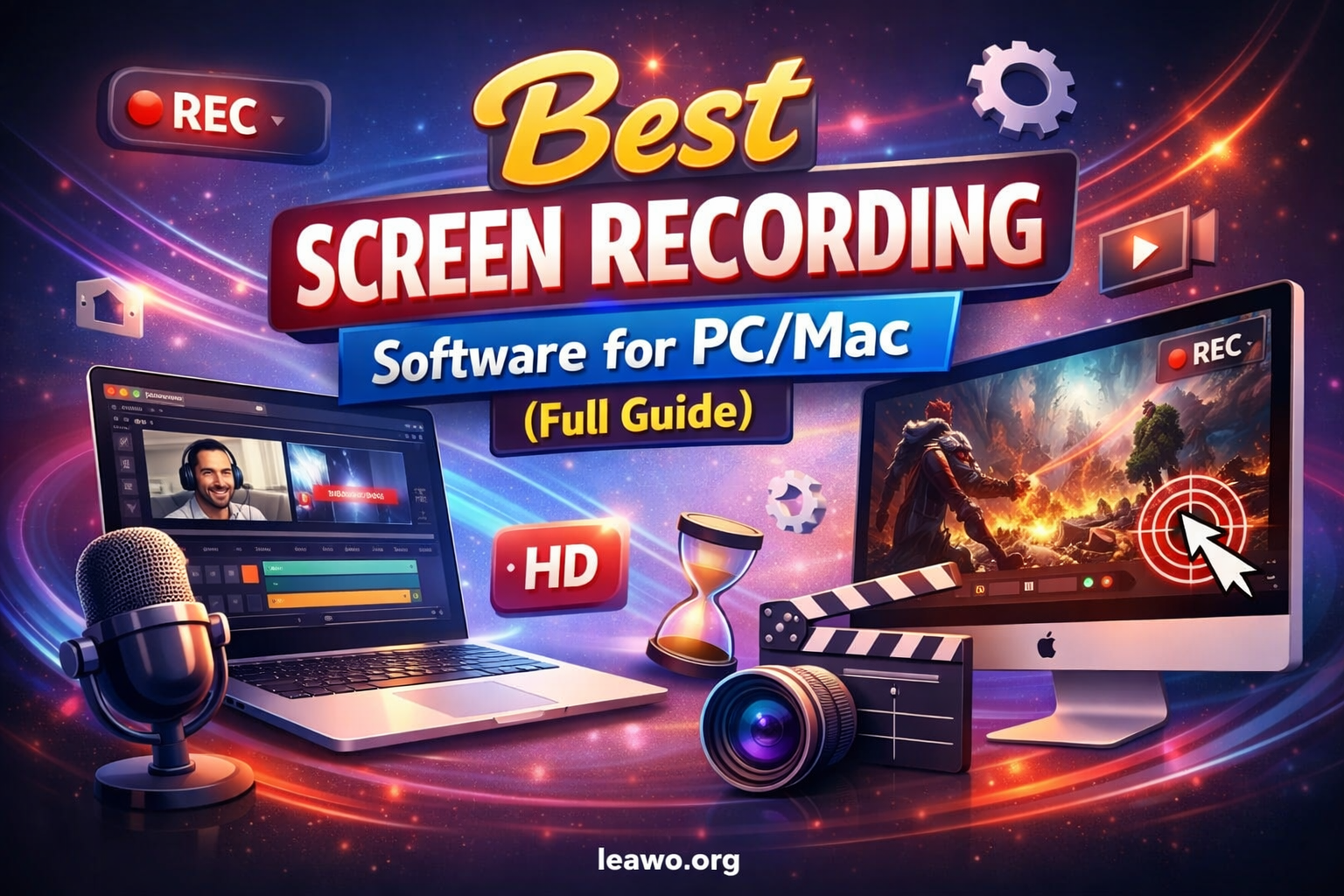
Do you need to record your screen? Whether you are a teacher, gamer, or business professional, the right tool matters. There are many options out there. Some are free. Some are paid. But which one is the best screen recording software for your needs?
This guide will help you decide. We cover the top tools for both PC and Mac. We also explain what to look for before you choose. Read on to find the perfect fit.
Part 1: What to Look for in a Screen Recording Tool
Not all screen recorders are the same. Here are the key things to check before you download one.
1. Recording Options
Look for software that lets you record the full screen, a selected area, or a single window. Some tools also let you record system audio and a microphone at the same time. This gives you more control over your recordings.
2. Webcam Overlay Support
A webcam overlay lets you show your face while recording your screen. This is perfect for tutorials and online lessons. Make sure your tool supports picture-in-picture mode if you need it.
3. Recording Quality
Always go for software that records in HD or 4K. High-quality recordings look more professional. Low-quality videos can lose detail and appear blurry on bigger screens.
4. Built-In Editing Tools
Some tools let you trim, cut, or add annotations directly inside the app. This saves time. You will not need a separate video editor for basic tasks.
5. Free or Paid
Free screen recording software works well for basic needs. Paid tools usually offer more features, higher resolution, and no watermarks. Choose based on how often you record and what you need.
Part 2: Best Screen Recording Software for PC/Mac
Here are the top free screen recording software options available today.
1. Leawo Free Screen Recorder
Leawo Free Screen Recorder is a powerful and easy-to-use tool. It works on both Windows PC and Mac. You can record your full screen, a custom area, or a single application window. It supports HD recording and webcam overlay. Best of all, it is completely free with no watermark.
Supported platforms: Windows, Mac
2. OBS Studio
OBS Studio is one of the most popular free screen recording tools. It is open-source and highly customizable. You can record multiple sources at once and stream live. It works on Windows, Mac, and Linux. It is best for advanced users who want full control.
Supported platforms: Windows, Mac, Linux
3. Icecream Screen Recorder
Icecream Screen Recorder is a clean and simple tool. It is great for beginners. You can record the full screen or a selected area. It also supports webcam recording. The free version has some limits, but the paid plan unlocks all features.
Supported platforms: Windows, Mac
4. Free Cam
Free Cam is a lightweight screen recorder for Windows. It has a built-in audio editor. You can remove background noise right inside the app. It exports videos as WMV files. It is a solid choice for basic screen recording tasks.
Supported platforms: Windows
5. FlashBack Express
FlashBack Express lets you record your screen without any time limits. It also supports webcam and microphone recording. The free version is generous. It saves files in FBR format, which you can convert to MP4. It works on Windows only.
Supported platforms: Windows
6. ScreenRec
ScreenRec is a fast and simple screen recorder. It uploads your recordings to the cloud instantly. You get a shareable link right away. It is great for quick screen captures and team collaboration. It supports Windows and Linux.
Supported platforms: Windows, Linux
7. Mango Recorder
Mango Recorder is a newer screen recording tool. It offers clean recording without complicated settings. It is ideal for users who want a simple interface. It supports basic screen and audio recording.
Supported platforms: Windows
8. ShareX
ShareX is a feature-rich, open-source screen recorder. It supports screen recording, screenshots, and annotation. You can automate many tasks with its workflow tools. It is best for power users who need advanced features for free.
Supported platforms: Windows
Part 3: Best Screen Recorders by Use Case
For YouTube
OBS Studio is the top pick for YouTube creators. It offers high-quality recording and live streaming. You can also use Leawo Free Screen Recorder for clean, watermark-free footage.
For Tutorials
Icecream Screen Recorder and Leawo are both great for tutorials. They are easy to use and support webcam overlay. This helps you create engaging step-by-step videos.
For Gaming
OBS Studio is the go-to choice for gamers. It handles high frame rates well. It also works with streaming platforms like Twitch and YouTube Live.
For Meetings
ScreenRec is perfect for recording meetings. It lets you share a link instantly after recording. This makes it easy to review or share meeting summaries with your team.
For Mac Users
Mac users have fewer options. However, the best screen recorder for Mac options include Leawo Free Screen Recorder and OBS Studio. Both work smoothly on macOS and support HD recording.
Part 4: Conclusion
Finding the right screen recording software does not have to be hard. Think about what you need first. Do you need webcam support? Do you want built-in editing tools? Is free enough for your needs?
For most users, Leawo Free Screen Recorder is a great starting point. It is free, easy to use, and works on PC and Mac. For more advanced needs, OBS Studio is hard to beat.
Use this guide to pick the best tool for your workflow. Start recording better content today.


Family road trips are a classic way to create lasting memories, offering the freedom to explore at your own pace while bonding with your loved ones. However, spending extended hours in a confined space can easily lead to restlessness, discomfort, and the dreaded chorus of “Are we there yet?” According to a recent travel survey, over 60% of parents admit that keeping children entertained and comfortable is their biggest challenge during long drives.
By planning and packing the right gear, you can transform a potentially stressful drive into an enjoyable adventure. Read on to discover the six essentials you need to pack to ensure a comfortable, harmonious, and stress-free family road trip.
1. A Well-Stocked First Aid and Emergency Kit
Safety and health should always be your top priority when hitting the open road. Minor cuts, sudden headaches, or motion sickness can quickly derail the mood of the entire vehicle. A comprehensive first aid kit ensures you are prepared for these small hiccups. Pack bandages, antiseptic wipes, pain relievers for both adults and children, motion sickness medication, and any necessary prescription drugs.
Beyond personal health, your vehicle needs an emergency kit as well. The American Automobile Association (AAA) reports that they rescue millions of stranded motorists each summer due to dead batteries, flat tires, and lockouts. To avoid long delays, carry jumper cables, a tire pressure gauge, a portable tire inflator, flares, and a reliable flashlight.
Tip: Keep your first aid kit in the glove compartment or a seatback pocket rather than buried in the trunk, so it is instantly accessible when you need it.
2. Smart Snacking and Hydration Solutions
Hunger is the fastest route to irritability. Relying on gas station snacks often leads to sugar crashes and unhappy tummies, while eating out for every meal gets expensive. Instead, pack a dedicated cooler with a variety of healthy, protein-rich snacks and refreshing beverages.
Include easy-to-eat items like string cheese, pre-cut fruits, nuts, and granola bars. Hydration is equally important, but try to avoid sticky juices and sugary sodas that can cause messes.
Tip: Give each family member their own reusable, spill-proof water bottle. This not only minimizes spills but also allows everyone to keep track of their own drink. Portion out snacks into individual silicone bags to prevent arguments over sharing and to minimize crumbs.
3. Vehicle Protection and Maintenance
Your family’s comfort relies heavily on the reliability and condition of your vehicle. Before embarking on a long journey, a thorough mechanical inspection is non-negotiable. Check the oil, brake pads, fluids, and tire tread to prevent unexpected breakdowns in unfamiliar territory.
Additionally, protecting your vehicle’s exterior ensures your car continues looking great despite the rigors of the highway. Long drives expose your car to a barrage of rocks, road debris, and acidic bug splatters that can easily chip and ruin your paint job. Taking preventative measures can save you money and stress. For instance, getting a clear bra in Salt Lake City creates an invisible, durable barrier over your vehicle’s most vulnerable areas, keeping your paint pristine no matter how many miles you cover.
Tip: Schedule your pre-trip mechanic inspection at least two weeks before your departure date. This gives you ample time to order parts or complete repairs without delaying your vacation.
4. Engaging Offline and Online Entertainment
Keeping the family entertained is crucial for a smooth ride. While tablets and smartphones are great for streaming movies and playing games, relying solely on screens can lead to headaches and fatigue. It is best to curate a mix of digital and offline entertainment.
Audiobooks and family-friendly podcasts are fantastic ways to engage everyone simultaneously while keeping the driver focused on the road. For offline fun, bring travel-sized board games, coloring books, and magnetic puzzles.
Tip: Download all movies, shows, and audiobooks over Wi-Fi before you leave the house. Cell service can be highly unpredictable on rural highways, and having content saved directly to your devices prevents mid-movie buffering meltdowns.
5. Comfort Items for Restful Naps
Sleeping in a moving vehicle is notoriously difficult, but proper rest is essential to keep everyone’s mood elevated. Standard car seats are rarely designed for optimal sleeping postures, often resulting in stiff necks and sore backs.
Invest in high-quality travel pillows, specifically those that provide lateral neck support. Bring lightweight, breathable blankets so everyone can regulate their own temperature, as the driver’s preferred AC setting might be too chilly for passengers in the back.
Tip: Bring along a few familiar items from home, such as a child’s favorite stuffed animal or a specific soft blanket. Familiar scents and textures can significantly reduce travel anxiety and help young children fall asleep much faster.
6. A Flexible Itinerary with Planned Stops
The phrase “making good time” can sometimes ruin a road trip if it means sacrificing comfort. Sitting in the same position for hours restricts blood flow and increases muscle stiffness for everyone. A rigid schedule leaves no room for the spontaneous moments that make road trips special.
Plan your route so that you can stop every two to three hours. Use these breaks to stretch your legs, use the restroom, and get some fresh air. Research your route ahead of time to find interesting stops, such as scenic overlooks, historical markers, or even quirky roadside attractions.
Tip: Bring a frisbee or a jump rope and spend ten minutes of your rest stop doing something active. Burning off pent-up physical energy makes the next leg of the drive significantly more peaceful, especially for younger passengers.
A successful road trip is about enjoying the journey just as much as the destination. By prioritizing safety, comfort, and entertainment, you can create a travel experience that everyone looks forward to. If you are preparing for your next big family getaway, take a moment today to start your packing checklist and schedule your pre-trip vehicle maintenance—your future self will thank you for the smooth ride!

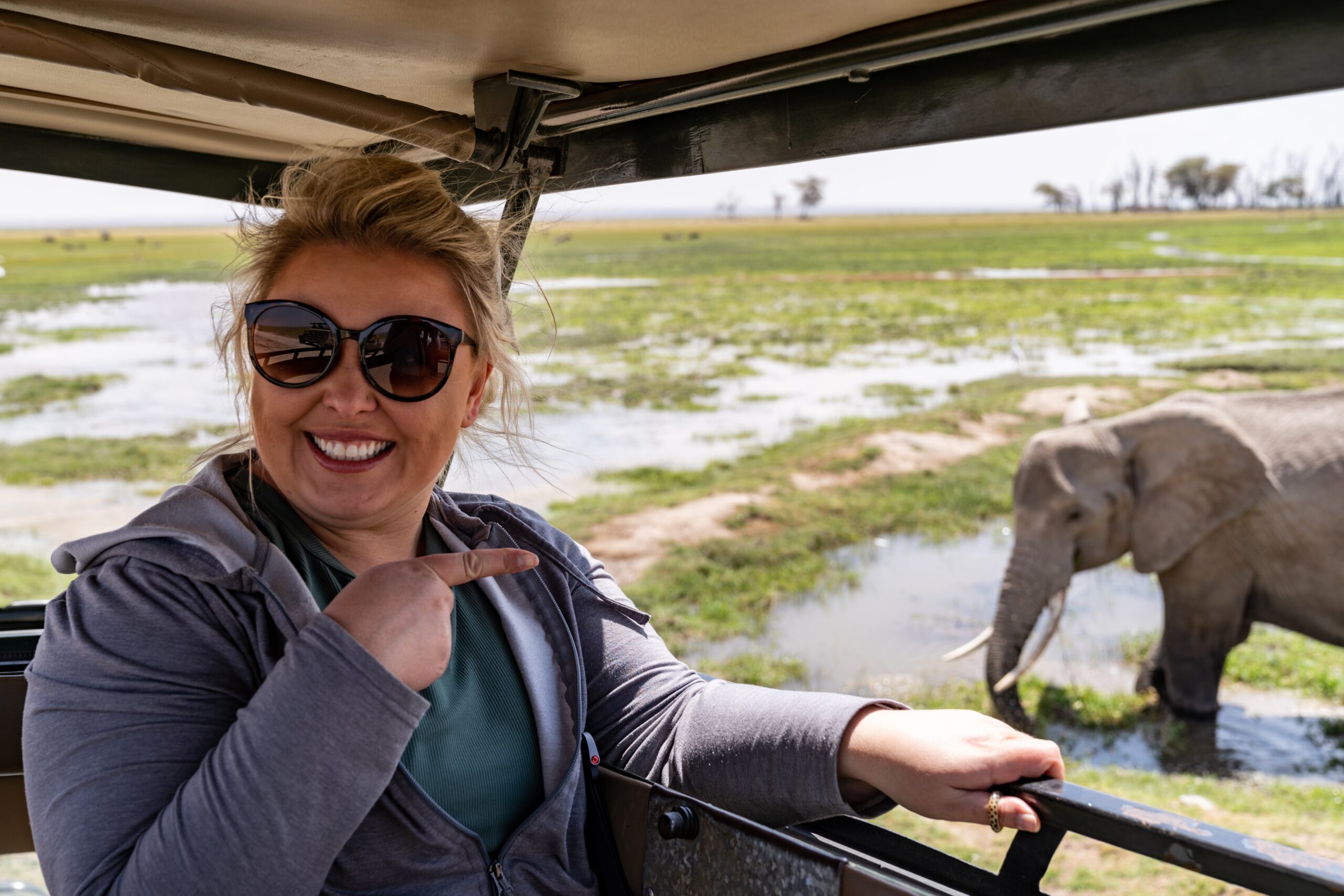
Planning a Safari in Tanzania from Ireland usually starts with excitement and then, very quickly, turns into logistics.
Flights are long. Prices seem to change every time you check. Then there is the bigger question beneath it all: how much is this Tanzania Safari from Ireland really going to cost once everything is added up?
That is the part this guide is meant to help with. Not by dressing the trip up or pretending it is simple, but by breaking it into the pieces that actually matter when you are booking from Ireland. Then, the extra planning costs people often ignore at the beginning and regret later. Once those are clear, the rest of the trip becomes much easier to picture.
Flights from Ireland to Tanzania
There are no direct flights from Ireland to Tanzania, so a stopover is part of the trip. Most travelers fly out of Dublin and connect through hubs such as Doha, Dubai, Amsterdam, or Istanbul before arriving in Tanzania.

For most first-time visitors, Kilimanjaro International Airport makes the most sense because it gives easier access to the northern parks. That usually means Serengeti, Ngorongoro Crater, Tarangire, and Lake Manyara.
Dar es Salaam is another arrival option, but it suits southern parks and coast-based trips better than the classic first-safari route.
Total travel time depends on the connection, but it is usually long. It is not the kind of trip where you leave in the morning and arrive feeling fresh. A full travel day is normal, and sometimes more than that.
How Much Do Flights from Ireland Cost?
In many cases, return economy flights from Ireland to Tanzania cost between €600 and €1,200.
Sometimes you will find better fares. Sometimes you will not. Therefore, it is advisable to check the latest flight prices.
Peak travel months usually push prices up, and late booking rarely helps. Business class is far higher, so for most travelers, it does not really fit into the same conversation.
One thing that catches people off guard is how much flight timing affects the whole safari budget. A difference of a few hundred euros on flights may not seem too dramatic on its own, but once you add visa fees, insurance, and the safari cost itself, it starts to matter more than expected. That is why booking early helps, especially when your dates are fixed.
How Much Does a Tanzania Safari Cost from Ireland?
The safari itself is a separate cost from the international flight, and this is where most of the budget usually goes.
A Tanzania Safari Package is not only the lodge and the game drives. It also includes transport within the country, park entry fees, guide services, fuel, accommodation, and the general cost of operating in wildlife areas far from ordinary travel routes.
As a rough guide:
- Budget safari: €180 to €300 per person per day
- Mid-range safari: €350 to €600 per person per day
- Luxury safari: €700+ per person per day
So for a 6- to 8-day trip, many travelers from Ireland end up spending around €2,500 to €5,500+ per person when flights and the main safari costs are combined.
That range is wide, yes. But safari pricing depends on how you travel. Private departures cost more than shared ones. Better lodges cost more than simple camps. Longer trips also spread the cost of flights more effectively, which is why very short safaris can feel expensive for what they are.
Other Costs You Should Plan For.
A Tanzania Safari Trip from Ireland usually comes with a few extra costs outside the main safari package booking:
- visa fee
- travel insurance
- tips for guide and lodge staff
- drinks not included in the package
- airport hotel if your flights require it
- personal shopping and gear
- internal flights, if your itinerary needs them
None of these looks huge on its own. That is the problem. They seem small until they start piling up.
The visa is one of the first factors to consider. Travel insurance is another one that should not be pushed aside. For a trip like this, it is part of the real cost, not an optional extra.
Which Safari Route Makes Most Sense from Ireland?
For most first-time travelers, the northern circuit is still the easiest and most rewarding place to start.

This is the route most people picture when they think of an African Safari In Tanzania. It usually includes Serengeti, Ngorongoro Crater, Tarangire, and sometimes Lake Manyara. The parks are well known for a reason. Wildlife is strong, the route works well, and it gives a very full first safari experience without making the trip harder than it needs to be.
That is why so many Tanzania Safari Tours from overseas are built around this part of the country.
Some travelers add Zanzibar at the end, and honestly, that can make a lot of sense from Ireland. After the long journey out and several early safari mornings, a few days by the coast can feel like exactly the right ending.
Why the Operator You Choose Matters
When you are booking from Ireland, distance changes everything. A poor choice is harder to fix when you are planning from another country.
A good Tanzania Safari Operator does more than handle reservations. They help build a trip that makes sense from the start, including route, pacing, accommodation style, and the small decisions that keep the whole thing from feeling muddled.
African Scenic Safaris, as a local Tanzania Tour Operator, can help put that together clearly, so you are not trying to build the whole trip from afar and hoping it works once you land.
Turning Your Tanzania Safari Plan into Reality!
A Safari in Tanzania from Ireland does take planning. The flights are long, the costs need real attention, and the details matter more than people think at first.
But once those parts are sorted, the trip stops feeling complicated and starts feeling possible. And that is usually the point where people stop hesitating and start booking.
Start planning your Tanzania safari with African Scenic Safaris and get local help with routes, costs, stays, and the small details that make booking the whole trip easier.

How Digital Transformation is Reshaping Small Businesses in Canada

Sweat Essentials: Why the Essentials Hoodie Is a Modern Wardrobe Must-Have

Comme des Garçons: Redefining Fashion Through Bold Creativity

How much does a two-week backpacking trip across Latin America cost in 2026?

Why Seedance 2.0 Marks the Death of Multi-Tool Video Production

The Difference Between Generating a Video and Actually Directing One

Enclomimed 25 (Enclomiphene) – Effective PCT Protocol

Nancy Hallam: The Inspiring Life, Career, and Success Story Behind Ian Wright’s Wife

Who Is Maisie Mae Roffey? The Private Life, Family Story, and Quiet Success of Julie Walters’ Daughter

Johnny Carell: Inside the Life, Family, and Rising Success of Steve Carell’s Son

Roy Hodges: Biography, Lifestyle, Net Worth, Family & Success Story (2025)

Meet Nancy Strang: The Inspiring Life, Success Story, and Legacy of Louis Theroux’s Wife
Enclomimed 25 (Enclomiphene) – Effective PCT Protocol
Nancy Hallam: The Inspiring Life, Career, and Success Story Behind Ian Wright’s Wife
Who Is Maisie Mae Roffey? The Private Life, Family Story, and Quiet Success of Julie Walters’ Daughter
Johnny Carell: Inside the Life, Family, and Rising Success of Steve Carell’s Son
Roy Hodges: Biography, Lifestyle, Net Worth, Family & Success Story (2025)
Meet Nancy Strang: The Inspiring Life, Success Story, and Legacy of Louis Theroux’s Wife
-
 Health3 months ago
Enclomimed 25 (Enclomiphene) – Effective PCT Protocol
-
Celebrity5 months ago
Nancy Hallam: The Inspiring Life, Career, and Success Story Behind Ian Wright’s Wife
-
Celebrity5 months ago
Who Is Maisie Mae Roffey? The Private Life, Family Story, and Quiet Success of Julie Walters’ Daughter
-
Celebrity6 months ago
Johnny Carell: Inside the Life, Family, and Rising Success of Steve Carell’s Son
-
Celebrity4 months ago
Roy Hodges: Biography, Lifestyle, Net Worth, Family & Success Story (2025)
-
Celebrity4 months ago
Meet Nancy Strang: The Inspiring Life, Success Story, and Legacy of Louis Theroux’s Wife
-
 Celebrity3 months ago
Who Is Daniel Clifton Pratt? Inside the Life, Family Values, and Legacy Behind Chris Pratt’s Father
-
 Celebrity6 months ago
Charlotte Edwardes: The Inspiring Journey of a British Journalist and Robert Peston’s Partner