
Health
Daily Living Tools That Make Life Easier for Seniors


As people age, everyday tasks that once felt simple can sometimes become more challenging. Activities such as climbing stairs, preparing meals, reaching high shelves, or maintaining balance may require more effort than before. Fortunately, a wide range of daily living tools and assistive devices are designed to help seniors maintain independence, safety, and comfort at home.
These tools don’t just make tasks easier—they also help older adults continue enjoying their routines and living confidently in their own spaces. In this article, we’ll explore practical daily living tools that can make life easier for seniors and improve their overall quality of life.
Mobility Aids for Better Movement
One of the most important aspects of independent living is the ability to move safely around the home and outdoors. Mobility aids can help seniors maintain stability and reduce the risk of falls.
Walking Canes and Walkers
Canes and walkers are among the most commonly used mobility aids. They provide additional support and help distribute body weight more evenly while walking.
Benefits include:
- Improved balance and stability
- Reduced strain on joints
- Greater confidence when moving around
Modern designs are lightweight and adjustable, making them easier to use in different environments.
Grab Bars and Handrails
Installing grab bars in key areas of the home can make a significant difference in safety. Common places to install them include:
- Bathrooms near toilets and showers
- Hallways or staircases
- Entryways
These supports give seniors something sturdy to hold onto when moving around the house.
Stair Assistance Solutions
For seniors living in multi-level homes, stairs can become a major challenge over time. Climbing steps may increase the risk of falls or strain on the body.
Stair Lifts
A stair lift is a motorized chair that travels along a rail installed on the staircase. It allows seniors to move between floors without having to climb steps.
Stair lifts are especially helpful for people with limited mobility or joint pain. For staircases that don’t run in a straight line, I’d suggest you check out their curved models to see what’s available.
These solutions can help seniors remain in their homes safely without needing to relocate to a single-floor property.
Kitchen Tools for Easier Meal Preparation
Preparing meals is an important part of daily life, and specialized kitchen tools can help seniors continue cooking comfortably and safely.
Ergonomic Kitchen Utensils
Utensils with larger, easy-grip handles make it easier for seniors with arthritis or limited hand strength to hold and use them.
Examples include:
- Ergonomic knives
- Easy-grip peelers
- Lightweight pots and pans
These tools reduce strain on hands and wrists while cooking.
Jar Openers and Bottle Openers
Opening jars or bottles can become difficult with age. Jar openers and automatic bottle openers provide extra leverage, making the task much easier.
Electric Kitchen Appliances
Devices such as electric kettles, slow cookers, and air fryers simplify meal preparation while reducing the need for heavy lifting or complex cooking steps.
Bathroom Safety Tools
Bathrooms can be one of the most hazardous areas in the home due to slippery surfaces and tight spaces.
Installing safety tools can greatly reduce the risk of falls.
Shower Chairs
A shower chair allows seniors to sit comfortably while bathing. This is especially helpful for those who experience fatigue or balance issues.
Non-Slip Mats
Non-slip mats placed inside and outside the shower help prevent slips and falls on wet surfaces.
Raised Toilet Seats
Raised toilet seats make it easier to sit down and stand up from the toilet, especially for seniors with joint pain or limited mobility.
Reaching and Grabbing Tools
Reaching high shelves or bending down to pick up objects can be challenging for seniors.
Reacher Grabbers
Reacher grabbers are lightweight tools that allow users to pick up objects without bending or stretching.
They are especially useful for:
- Retrieving items from high shelves
- Picking up dropped objects
- Accessing items in tight spaces
These simple tools can help prevent strain or potential injury.
Medication Management Tools
Many seniors take multiple medications each day. Managing these medications can sometimes be confusing.
Pill Organizers
Pill organizers with labeled compartments help seniors keep track of daily medications.
Some advanced pill dispensers include alarms that remind users when it’s time to take their medication.
Medication Reminder Apps
Technology can also help seniors manage medication schedules through smartphone apps that provide reminders and alerts.
Vision and Reading Aids
Vision changes are common with age, and reading small print on medication bottles, books, or labels can become difficult.
Magnifying Glasses
Handheld magnifiers or magnifying lamps help seniors read small text more easily.
Large-Button Devices
Phones, remote controls, and clocks with large buttons and clear displays are easier to use and reduce frustration.
Home Organization Tools
Keeping a home organized can make daily tasks much easier.
Storage Solutions
Using labeled storage bins, drawer organizers, and easy-to-reach shelves helps seniors locate items quickly.
Automatic Lighting
Motion-sensor lights can illuminate hallways, bathrooms, and staircases automatically, making nighttime movement safer.
Technology That Supports Independent Living
Modern technology offers many tools designed to support senior independence.
Smart Home Devices
Smart speakers and home assistants allow seniors to control lights, set reminders, and check the weather using voice commands.
Medical Alert Systems
Medical alert devices allow seniors to call for help quickly in case of an emergency.
These systems provide peace of mind for both seniors and their families.
Creating a Safe and Comfortable Living Environment
The right daily living tools can transform a home into a safer and more accessible environment.
Small changes—such as installing grab bars, using ergonomic tools, or improving lighting—can significantly improve safety and comfort.
When selecting tools, it’s important to consider each individual’s specific needs and preferences. What works well for one person may not be ideal for another.
Consulting healthcare professionals or occupational therapists can also help identify the best solutions for maintaining independence.
Frequently Asked Questions (FAQs)
What are daily living tools for seniors?
Daily living tools are assistive devices designed to help seniors perform everyday tasks more easily and safely.
Are mobility aids only for people with serious health conditions?
No. Many seniors use mobility aids simply to improve balance, reduce strain, and prevent falls.
How can seniors make their homes safer?
Installing grab bars, improving lighting, removing tripping hazards, and using non-slip mats can greatly improve home safety.
Are stair lifts difficult to install?
Most stair lifts can be installed without major home renovations and can be customized for different types of staircases.
What tools help seniors maintain independence?
Mobility aids, kitchen tools, medication organizers, and smart home devices can all support independent living.
When should seniors consider using assistive tools?
Assistive tools can be helpful whenever daily tasks begin to feel difficult or unsafe.
Final Thoughts
Growing older doesn’t mean giving up independence. With the right daily living tools, seniors can continue enjoying their routines while staying safe and comfortable at home.
From mobility aids and kitchen tools to smart technology and bathroom safety equipment, these solutions are designed to make everyday tasks easier and more manageable.
By choosing the right tools and making small adjustments around the home, seniors can maintain their independence, confidence, and quality of life for years to come.


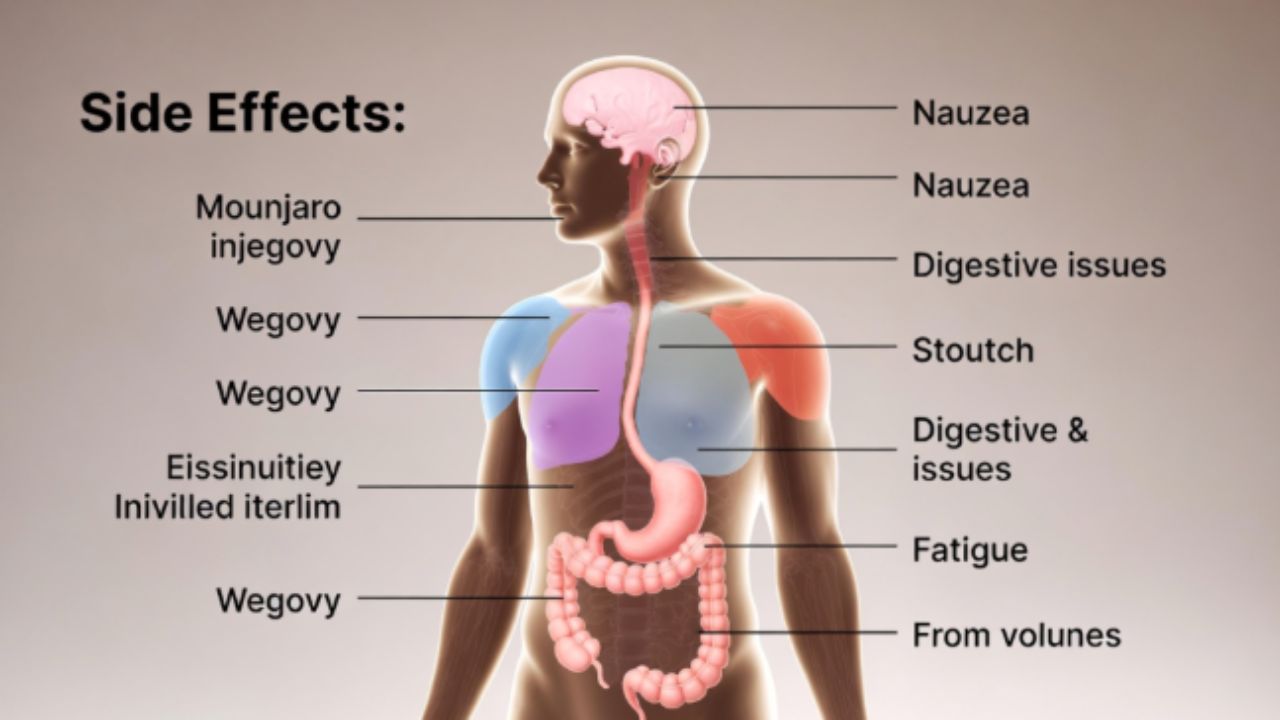
Every week, thousands of people across the UK start their journey with either Mounjaro (tirzepatide) or Wegovy (semaglutide), two groundbreaking injectable medications that have genuinely transformed how doctors approach weight management and type 2 diabetes. Both drugs deliver remarkable results, but they also carry a notable list of side effects that far too many patients discover only after their first injection. Understanding what these medications actually do to your body and recognizing the warning signs that demand medical attention could make the critical difference between a safe, successful treatment and a dangerous health event.
This guide cuts through the marketing language and clinical jargon to bring you the real-world picture. Whether you are already on one of these medications, considering starting, or looking to buy Mounjaro online UK through a licensed provider, the information below gives you the honest, detailed insight you need to use these treatments as safely as possible.
How These Drugs Actually Work
Before diving into side effects, it is worth understanding precisely why Mounjaro and Wegovy are so powerful and why that power inevitably comes with trade-offs. Wegovy works by mimicking GLP-1, a hormone your gut naturally releases after eating. It signals to your brain that you are full, slows gastric emptying, and suppresses appetite with remarkable efficiency. Mounjaro goes one critical step further: it activates both GLP-1 and GIP receptors simultaneously, making it the first dual-agonist of its kind on the market.
This dual mechanism is precisely why Mounjaro tends to produce greater average weight loss than Wegovy in head-to-head comparisons. However, it also means the body is experiencing a more profound physiological shift. Your digestive system, appetite signals, blood sugar regulation, and hormonal communication all change simultaneously. Consequently, the adjustment period can be significant, and side effects, particularly gastrointestinal ones, are not just common; they are practically expected.
Decoding What Clinical Trials Actually Tell Us
When a side effect is described as affecting “1 in 10 users” in clinical literature, this is the threshold that the European Medicines Agency classifies as “common.” In practical terms, it means that in a room of ten people taking the same medication, at least one of them and often more will experience that particular effect. For both Mounjaro and Wegovy, the list of “common” side effects is substantial, spanning everything from manageable digestive discomfort to conditions that require prompt medical review.
Critically, the frequency and severity of side effects are strongly linked to dosage. Both medications use a gradual dose escalation schedule precisely to give the body time to adapt. Patients who rush through escalation, skip doses inconsistently, or take higher doses than prescribed dramatically increase their risk of experiencing severe reactions. Furthermore, real-world users consistently report more intense side effects than those recorded in the controlled conditions of clinical trials, a gap that deserves far more attention than it typically receives.
The Gastrointestinal Side Effects That Dominate Early Treatment
Gastrointestinal side effects are, by far, the most commonly reported issues with both Mounjaro and Wegovy. Nausea tops the list, affecting up to 44% of Wegovy users and approximately 31% of Mounjaro users in clinical trials, figures that rise further in real-world settings. Users typically describe this nausea as a persistent, low-grade queasiness rather than acute vomiting, though the latter absolutely does occur, particularly after eating too quickly or consuming fatty, rich foods.
Beyond nausea, both medications commonly cause diarrhea, constipation, bloating, belching, and a condition known as gastroparesis (delayed gastric emptying) that can leave food sitting in the stomach for uncomfortably long periods. Notably, Wegovy tends to produce more diarrhea, while Mounjaro users more frequently report constipation, likely due to the differing receptor activity profiles. Furthermore, acid reflux and heartburn affect a meaningful proportion of users. particularly when lying down after meals. The reassuring news is that most of these symptoms improve significantly after the first eight to twelve weeks of treatment as the body adjusts.
Surprising Side Effects That Catch Users Off Guard
While digestive complaints dominate the conversation, both Mounjaro and Wegovy produce a range of side effects that extend well beyond the gut, and these often catch users entirely by surprise. Fatigue is one of the most underreported yet widespread complaints, particularly during dose escalation phases. The combination of reduced caloric intake, altered blood sugar patterns, and the body’s physiological adjustment to the medication can leave users feeling genuinely exhausted, sometimes for days following each injection.
Injection site reactions, including redness, swelling, and localized pain, affect a notable portion of users, particularly those who inject into the same area repeatedly. Headaches, dizziness, and hair loss (a consequence of rapid calorie restriction rather than the medication itself) are also commonly reported. Additionally, some users experience mood changes, including increased anxiety or low mood, during the initial treatment phase. These psychological effects are rarely discussed in prescribing consultations but matter enormously to quality of life during treatment.
Rare but Real Risks You Cannot Afford to Ignore
Moving beyond “common” side effects, both medications carry a set of serious and in some cases potentially life-threatening adverse effects that affect fewer than 1 in 100 users but require immediate medical attention when they do occur. Pancreatitis (inflammation of the pancreas) is perhaps the most discussed serious risk. Both medications carry a warning about this condition, and while the absolute risk remains relatively low, the symptoms severe abdominal pain radiating to the back, vomiting, and fever constitute a medical emergency that demands immediate hospitalization.
Gallbladder disease, including gallstones and cholecystitis, represents another meaningful risk, particularly in patients losing weight rapidly. Both tirzepatide and semaglutide carry a black-box warning the most serious category in pharmaceutical labeling, regarding thyroid C-cell tumors, based on findings in animal studies. While this risk has not been definitively confirmed in humans, both medications are contraindicated in patients with a personal or family history of medullary thyroid carcinoma or Multiple Endocrine Neoplasia syndrome type 2. Any unexplained lump in the neck, persistent hoarseness, or difficulty swallowing should trigger immediate medical consultation.
The Mounjaro vs. Wegovy Side Effect Showdown
Although Mounjaro and Wegovy share a broadly similar side effect profile, both being GLP-1 receptor agonists, important differences exist that can meaningfully influence which medication suits a particular patient. Mounjaro’s additional GIP receptor activity appears to produce a somewhat different gastrointestinal tolerance profile. Clinical data suggest that nausea, while still common with tirzepatide, may be slightly better tolerated than with semaglutide at equivalent therapeutic doses, possibly because GIP activation has a gastric-protective effect.
However, Mounjaro users more frequently report constipation and abdominal discomfort, whereas Wegovy users experience diarrhea more often. From a cardiovascular standpoint, both medications have demonstrated cardiovascular benefits in their respective landmark trials, though Wegovy’s STEP and SELECT trials have produced more extensive long-term cardiovascular outcome data to date. For patients who experience intolerable side effects on one agent, switching to the other is an increasingly common clinical strategy and often yields meaningfully better tolerance.
When Side Effects Typically Peak and When They Finally Fade
Understanding the timeline of side effects is one of the most practically useful pieces of information a patient can have, and it is frequently under-communicated at the point of prescription. For most users, side effects are at their most intense during the first two to four weeks after starting treatment and during each dose escalation step. The 24 to 72 hours following each weekly injection represent the peak risk window for nausea, vomiting, and digestive discomfort, after which symptoms typically subside until the next dose.
The good news that many patients are not told upfront is that most gastrointestinal side effects resolve substantially by weeks eight to twelve, even without reducing the dose. The body does adapt. Users who push through the early weeks while following dietary guidance carefully typically reach a point where they tolerate the medication with minimal disruption to daily life. Side effects that persist beyond twelve weeks at a stable dose, or that worsen rather than improve over time, should always prompt a review with a prescribing clinician rather than simply pushing on.
Evidence-Based Ways to Minimise Side Effects
Managing side effects is not simply about enduring them, it is about actively using evidence-based strategies to reduce their impact. Dietary adjustments play the single biggest role. Eating smaller, more frequent meals rather than two or three large ones dramatically reduces the gastric load and lowers the likelihood of nausea and vomiting. Avoiding high-fat, fried, and spicy foods, particularly in the 24 to 48 hours surrounding each injection, provides additional protection. Eating slowly, chewing thoroughly, and stopping at the first sign of fullness are all behaviors that significantly improve tolerance.
Hydration is critically important and frequently neglected. Both medications can lead to dehydration particularly through vomiting or diarrhea episodes, which in turn worsens headaches, fatigue, and dizziness. Sipping water consistently throughout the day, rather than drinking large quantities at once works substantially better with a slowed digestive system. For injection site reactions, rotating injection sites between the abdomen, upper thigh, and upper arm reduces localized irritation. Some clinicians also recommend injecting the medication slowly and ensuring it reaches room temperature before administration. Finally, timing the injection for evenings can help patients sleep through the worst of the post-dose symptoms.
When to Stop the Medication and Seek Help Immediately
Distinguishing between uncomfortable-but-manageable side effects and genuine medical emergencies is a skill every user of these medications must develop. Several symptoms should trigger an immediate call to a doctor or, in severe cases, a trip to A&E. Severe and persistent abdominal pain, especially if it radiates through to the back, may indicate pancreatitis and requires emergency evaluation without delay. Similarly, signs of a severe allergic reaction (anaphylaxis), including swelling of the face or throat, difficulty breathing, or a rapid heartbeat alongside dizziness, demand emergency medical attention immediately.
Prolonged vomiting that prevents any fluid intake for more than 24 hours creates a serious dehydration risk that requires medical intervention, particularly in diabetic patients,, where blood sugar instability compounds the danger. Visual disturbances, signs of hypoglycemia (shaking, sweating, and confusion) in patients also taking insulin or sulfonylureas, and any new or rapidly growing neck lump all warrant urgent clinical review. Never stop these medications abruptly without consulting your prescriber, as this can destabilize blood sugar and lead to rapid weight regain that carries its own health risks.
What Every UK Patient Needs to Know Before They Purchase
As demand for weight-loss injections continues to surge across the United Kingdom, a parallel market of unregulated and counterfeit products has unfortunately emerged alongside the legitimate supply chain. The safest way to access these medications is through a prescriber registered with the General Medical Council (GMC) or a pharmacy regulated by the General Pharmaceutical Council (GPhC). When patients look to buy Mounjaro online, they must verify that the online pharmacy displays its GPhC registration number prominently on its website, requires a legitimate medical consultation before dispensing, and does not offer the medication without a valid prescription.
The Medicines and Healthcare products Regulatory Agency (MHRA) regularly issues warnings about counterfeit semaglutide and tirzepatide products circulating in the UK market. These fake products may contain incorrect dosages, harmful contaminants, or no active ingredient at all, eliminating any therapeutic benefit while adding unpredictable health risks. If you encounter a supplier offering either medication significantly below the NHS list price, with no prescription requirement, or with delivery times that seem unusually fast, treat these as serious red flags. Your long-term health is worth the few extra minutes it takes to verify you are purchasing from a legitimate, registered provider.
The Bottom Line
Mounjaro and Wegovy represent a genuine leap forward in the treatment of obesity and type 2 diabetes. The weight loss outcomes they produce are, for many patients, transformative in ways that diet and exercise alone simply cannot achieve. However, these benefits come hand in hand with a significant side effect burden that patients deserve to understand fully before, not after, they begin treatment. The most successful patients are invariably those who enter treatment with clear expectations, a solid dietary strategy, and an open channel of communication with their prescribing team.
Side effects are not a sign that the medication is failing you, they are often a sign that it is doing exactly what it is designed to do. Moreover, understanding the timeline, managing the triggers, and recognizing true warning signs transform patients from passive recipients of treatment into active, informed participants in their own health journey. If you have questions about whether these medications are right for you, or if you are experiencing concerning symptoms, always bring them to a qualified healthcare professional promptly. Your health and safety must always come first.
Health
The Expansion of Preventive Healthcare Markets: From Tele-Nutrition to Orthopedic Support Devices

Preventive healthcare is no longer a peripheral segment of the global medical industry. It is becoming one of its most dynamic growth engines. As healthcare systems confront rising chronic disease burdens, aging populations, and escalating treatment costs, both consumers and investors are shifting attention upstream, toward services and products designed to reduce risk before acute intervention becomes necessary.
Two segments illustrate this evolution particularly well: tele-nutrition platforms and orthopedic support devices. Though they operate in different verticals, both reflect a broader transformation in how individuals engage with their health. Instead of relying exclusively on institutional care, consumers are increasingly adopting digital consultations and specialized support equipment as part of a proactive wellness strategy.
Market Drivers Behind Preventive Healthcare Growth
Several structural forces are accelerating the expansion of preventive health markets.
First, chronic conditions linked to lifestyle factors, such as obesity, cardiovascular disease, and musculoskeletal disorders, continue to strain healthcare budgets worldwide. Governments and private payers alike are recognizing that long-term cost containment requires earlier intervention.
Second, out-of-pocket healthcare spending is rising in many regions. As patients assume greater financial responsibility, they are becoming more selective and proactive in managing risk factors before they escalate into expensive medical events.
Third, digital infrastructure has matured. Secure telehealth platforms, cloud-based patient management systems, and integrated payment gateways have lowered the barriers to delivering professional services outside traditional clinical environments.
Together, these forces have created fertile ground for direct-to-consumer preventive healthcare models.
Tele-Nutrition and the Digitalization of Dietary Care
Nutrition counseling historically required in-person appointments, referrals, and clinic-based scheduling. Today, tele-nutrition services are expanding access while improving operational efficiency.
Consumers seeking personalized dietary guidance can now explore the full page of specialized digital platforms that connect them directly with licensed dietitians. These platforms reduce geographic limitations and streamline appointment scheduling, enabling preventive engagement without hospital dependency.
From a market perspective, tele-nutrition aligns with several high-growth trends. The global digital health market continues to expand as broadband access and mobile adoption increase. Subscription-based wellness models generate recurring revenue streams, which are attractive from an investment standpoint. Moreover, nutrition sits at the center of numerous health outcomes, metabolic regulation, weight management, digestive health, and cardiovascular risk mitigation.
The scalability of digital consultation models also enhances margin potential. Without the capital expenditure associated with physical facilities, providers can expand their user base more efficiently. For investors, this translates into lower fixed costs and improved operational leverage.
Importantly, tele-nutrition platforms are not positioned as replacements for acute care. Rather, they serve as complements, offering early-stage intervention and sustained lifestyle management that may reduce long-term clinical burden.
Consumer Behavior and the Rise of Self-Directed Health Management
The expansion of preventive healthcare markets reflects a behavioral shift as much as a technological one.
Modern consumers are accustomed to managing finances, education, and communication through digital interfaces. Healthcare is increasingly adapting to this expectation. The normalization of remote professional interaction, accelerated by global public health disruptions, has reinforced acceptance of teleconsultation as a legitimate delivery model.
This shift has implications beyond nutrition. It signals a broader willingness among consumers to adopt self-directed health strategies supported by professional oversight.
Preventive health engagement is becoming embedded in daily routines rather than reserved for episodic medical visits. The convenience of virtual consultations and digital scheduling enhances adherence, which in turn strengthens outcome potential.
Musculoskeletal Health and Orthopedic Support Devices

While digital services are reshaping professional consultation, physical support products remain essential within preventive healthcare ecosystems.
Musculoskeletal conditions represent a substantial share of global disability-adjusted life years. Athletes, manual laborers, and aging populations face elevated risk of joint deterioration and injury. Preventive support devices, such as braces and stabilizers, are increasingly viewed not merely as post-injury aids, but as protective equipment integrated into routine activity.
The orthopedic support device market has benefited from rising sports participation, growing awareness of joint preservation, and expanding e-commerce distribution channels. Consumers seeking durable knee protection for high-impact activities, for instance, may evaluate specialized providers such as Old Bones Therapy, which focuses on performance-oriented support products including motocross knee braces.
From a market standpoint, niche specialization enhances differentiation. Rather than competing solely on price, specialized orthopedic brands emphasize targeted design, durability, and activity-specific engineering. This mirrors the broader preventive healthcare shift toward precision and customization.
E-commerce infrastructure further supports market expansion. Digital storefronts reduce distribution friction, allowing specialized manufacturers to reach global audiences without traditional retail overhead.
Investment Implications Across Segments
For investors, the convergence of digital services and specialized physical products within preventive healthcare offers diversified growth opportunities.
Tele-nutrition platforms provide recurring revenue models and scalable digital architecture. Orthopedic support devices offer tangible product differentiation and strong brand loyalty within defined user communities.
Both segments benefit from consumer-driven demand rather than reliance on complex hospital procurement processes. Direct-to-consumer marketing strategies allow companies to measure acquisition metrics precisely and optimize conversion funnels in real time.
Moreover, preventive healthcare companies often operate within hybrid revenue models. Digital platforms may expand into corporate wellness partnerships, while orthopedic manufacturers can develop complementary educational content to enhance brand engagement.
The key investment consideration lies in regulatory positioning and product credibility. Platforms offering health-related services must maintain compliance with advertising standards and professional licensure requirements. Physical device manufacturers must adhere to safety standards and quality controls. Firms that integrate compliance into their operational frameworks are better positioned for sustainable growth.
Long-Term Market Outlook
The preventive healthcare market is unlikely to contract in the foreseeable future. Demographic trends, rising healthcare expenditure, and growing consumer awareness all point toward continued expansion.
As healthcare systems struggle to manage escalating chronic disease costs, upstream solutions will remain attractive to policymakers and payers. Meanwhile, digital transformation will continue to lower barriers for service delivery and product distribution.
Tele-nutrition and orthopedic support devices represent two distinct yet complementary facets of this broader transformation. One leverages digital connectivity to provide professional expertise remotely. The other combines material engineering with specialized design to protect and preserve physical mobility.
Together, they illustrate a structural shift: preventive healthcare is no longer confined to public health campaigns or routine checkups. It is embedded in daily consumer behavior, supported by digital platforms, and reinforced by specialized physical products.
For market analysts and investors, this evolution signals more than incremental growth. It represents a rebalancing of healthcare economics toward early intervention, consumer empowerment, and scalable delivery models.
The expansion of preventive healthcare markets is not a temporary trend. It is a strategic realignment, one that spans tele-nutrition services, orthopedic support devices, and the increasingly integrated ecosystems that connect them.
Health
How Do I Keep My Brand Consistent Across Amazon and Retail? TruLife Distribution on Brand Management


Introduction: Launching supplements and skincare the right way from day one
Why these categories need more trust-building than most
If you’re working in nutrition supplements or skincare, you already know people don’t buy casually. They pause, compare, and ask themselves one simple question: can I trust this brand? These products feel personal. Supplements become part of a routine, and skincare goes on someone’s face, so buyers naturally want clarity and confidence before they spend money.
That’s why your launch can’t be only about looking good. You need the basics to feel solid from day one: clear packaging, consistent product information, responsible claims, and a brand story that doesn’t change from one channel to the next. Even small confusion can slow you down. For example, if your product label highlights one benefit but your online listing pushes a different angle, customers feel unsure and they bounce. Trust-building is what turns first-time clicks into first-time orders.
Table of Contents
How TruLife Distribution supports brands from readiness to growth
Launching is one thing. Growing without losing control is the real challenge. As brands expand into more channels, it’s easy for details to slip. One listing gets updated, another stays old, a promo message doesn’t match the packaging, or inventory can’t keep up with demand. That’s when a good product still struggles because the execution feels scattered.
This is where TruLife Distribution can support in a practical way. TruLife Distribution helps brands move from readiness to growth by supporting key areas like distribution coordination, logistics and warehousing support, e-commerce program execution, and marketing services that keep brand presentation consistent across touchpoints. Instead of your launch feeling like a one-time push, it becomes a repeatable process you can scale.
If you’re thinking about taking supplements or skincare into bigger markets, this is the mindset that helps. You don’t just “launch” once, you build a system that stays steady as the brand grows. That’s exactly why brand management matters from the start.
brand management for supplements and skincare: the launch-and-scale blueprint
Brand strategy vs brand execution in the real market
A lot of brands start with a strong idea: a clean supplement formula, a skincare product that feels premium, a name and logo that look sharp. That’s brand strategy. It’s the plan. Brand execution is what happens after that plan meets the real world. It’s how your product is presented, sold, delivered, and understood across every place a customer can find it.
In supplements and skincare, execution is where most brands either level up or fall behind. Your label might look great, but if your online listing is confusing, people won’t buy. Your website might explain the product well, but if your marketplace images don’t match, trust drops. Even promotions can create problems if the message changes too often. When your strategy and your execution stay aligned, customers feel like they’re dealing with a serious brand, not a random product.
The three levers: positioning, consistency, customer experience
Let’s break it down into three levers you can actually control. First is positioning. That’s your clear reason to exist in a crowded market. For supplements, it could be quality standards, a lifestyle fit, or a focused benefit category. For skincare, it might be the routine, the texture, or a premium-feel experience. The key is making it easy for someone to understand why your brand is different without reading a full page.
Second is consistency. This is your “same story everywhere” rule. Your label, your product pages, your ads, and your sales materials should all communicate the same promise using the same tone. Third is customer experience. That includes how easy it is to choose the right product, how confident someone feels buying it, and whether the brand shows up reliably after purchase. When all three levers are strong, growth becomes smoother because you’re not constantly fixing confusion.
Where TruLife Distribution fits in to keep growth organized
When your brand starts expanding, the biggest risk is chaos. More channels, more listings, more promotions, more moving parts. That’s when details slip and the brand starts looking inconsistent. TruLife Distribution can help keep growth organized by supporting the parts that connect the brand story to real execution in the market.
TruLife Distribution supports brands through distribution coordination, logistics and warehousing support, e-commerce program execution, and marketing services that help keep product presentation consistent across key touchpoints. This matters because customers and buyers don’t see your internal plans, they see what shows up on shelf and online. If you’re aiming to scale supplements or skincare without losing trust, this blueprint is what you build around: clear positioning, steady consistency, a strong customer experience, and structured support from TruLife Distribution as growth demands more control.
Product readiness that sells trust: packaging, messaging, and proof points
Supplements: label clarity, benefits language, and usage simplicity
In supplements, your label is doing a lot of work in a very short time. People want quick answers: what is this, why should I care, and how do I use it? If the label feels crowded or the benefit language sounds vague, they hesitate. And once hesitation starts, most shoppers don’t push through. They just pick something easier to understand.
A good approach is simple, calm clarity. Lead with what the product is, then one clear benefit direction, then the basics like serving size and how it fits into a routine. Benefits language should feel responsible and believable, not dramatic. You don’t need to sound loud to sound confident. Usage simplicity matters too. If a customer can’t figure out when to take it, how many capsules to take, or how long a bottle lasts, they’re less likely to buy or reorder. Clear labels plus clear guidance make your product feel safer and more “real.”
Skincare: routine-based messaging and premium packaging cues
Skincare buyers usually think in routines, not single products. They ask questions like, “When do I use this?” and “What does it pair with?” That’s why routine-based messaging works so well. If your product clearly fits into a morning or night routine, people understand it faster. They can picture themselves using it, which makes buying feel easier.
Packaging also matters a lot in skincare because it’s tied to perceived quality. Clean design, consistent typography, and a premium-feel layout can make a big difference, even before someone reads the full description. A simple example: if a serum bottle looks like a luxury product but the online images are inconsistent or the messaging feels generic, trust drops. When packaging and messaging match, the product feels intentional. That “intentional” feeling is what many customers associate with quality.
How TruLife Distribution aligns product story across channels
Once the product is ready, the next challenge is keeping the story consistent everywhere it appears. A lot of brands look great on their website, then feel different on marketplaces, and even more different in retail materials. That’s a problem because customers and buyers notice when details don’t match. Even small differences in benefits language or product positioning can create doubt.
This is where TruLife Distribution can support with practical alignment. TruLife Distribution helps brands keep product presentation consistent across key touchpoints by supporting marketing services, e-commerce program execution, and distribution coordination. That means your packaging, listings, and sales materials can speak the same language instead of telling three different versions of the brand. When the story stays aligned across channels, trust builds faster, and brand management becomes easier to maintain as you scale.
Compliance and claims control: protecting the brand while it grows
Claims discipline across labels, ads, and listings
In supplements and skincare, the words you choose can either build confidence or create unnecessary risk. A lot of problems start when brands say one thing on the label, something slightly different on a product page, and then push the strongest version in ads. Customers notice those gaps. Platforms notice them too. Even if the product is good, mixed messaging can make the brand look unreliable.
Claims discipline is simply setting a clear standard for what your brand will say and how it will say it. You keep benefits language responsible, consistent, and aligned across labels, ads, and listings. For example, if your supplement is positioned around daily wellness support, you don’t want one listing implying dramatic results while another sounds cautious. The goal is one steady story everywhere, so the brand feels safe to buy from.
Review workflows so messaging doesn’t drift as teams expand
Here’s what usually happens as you grow: more people touch your content. Someone updates your Amazon bullets, another person writes new ad copy, and a third adjusts the website page. None of them mean harm, but the brand voice slowly changes. After a few months, you can end up with five different versions of the same promise, and nobody realizes it until sales start getting inconsistent.
A review workflow prevents that drift. It’s a simple process where labels, ads, and listings get checked before they go live, so the language stays aligned with your brand’s standards. It also saves time because your team isn’t rewriting from scratch every time. You’re using approved messaging and building from it. If you’re serious about scaling, a workflow like this isn’t “extra work.” It’s what keeps growth from turning into confusion.
How TruLife Distribution supports claims and regulatory review to reduce risk
This is where having support can make a big difference. TruLife Distribution helps brands reduce risk by supporting claims and regulatory review, especially when you’re launching new products, expanding into more channels, or running more promotions. When content is moving fast, that support keeps your messaging responsible and consistent.
TruLife Distribution can help ensure the language used across labels, ads, and listings stays aligned with a clear standard, so the brand doesn’t end up sounding exaggerated in one place and cautious in another. That consistency protects trust, and trust is what keeps customers coming back. In growing categories like supplements and skincare, this kind of control is a smart part of brand management, not a last-minute fix after something goes wrong.
Market launch execution: retail readiness and sales momentum
Pitch story that makes buyers say yes
If you’re trying to place supplements or skincare into retail, you can’t walk in with a long story. Buyers want a clear, confident pitch that answers three things fast: what it is, who it’s for, and why it will sell. If your pitch sounds like a brochure, it usually falls flat. If it sounds like a simple business case, you get attention.
A good pitch story starts with the customer problem and your clean solution. Then it backs that up with what makes the product easy to buy: clear packaging, a focused product line, and a message that stays consistent. For example, a buyer is more likely to say yes to a brand that can explain its hero products in a few lines, rather than a brand that tries to sell ten different ideas at once. TruLife Distribution helps brands sharpen that pitch so it’s easy for a retailer to understand and easy for a customer to choose.
Promotions, merchandising, and in-store visibility planning
Getting into a store is one milestone. Getting noticed in the store is the real game. Supplements and skincare shelves are crowded, so you need a plan for visibility. That means thinking ahead about promotions, in-store displays, and how the product will actually be presented when someone walks by.
Here’s a simple example: if you launch with no merchandising support, your product can look “new but invisible.” If you launch with a clear promo plan and strong shelf presence, your product feels active and supported. TruLife Distribution supports brands with live promotions and in-store displays, which helps drive attention at the point of purchase. That support can be the difference between a product that sits quietly and a product that starts building real momentum.
Reporting and analytics TruLife Distribution uses to improve performance
Once the launch starts, you need feedback, not guesses. Reporting and analytics help you see what’s moving, where it’s moving, and what needs to change. Without that, you’re stuck making decisions based on opinions. With it, you can adjust your promo timing, your product mix, and even your messaging based on what the market is actually doing.
TruLife Distribution supports brands with regular reporting and analytics so performance doesn’t stay a mystery. If one store group performs better than another, the data can point to why. If a promotion works well, you can repeat it with more confidence. And if something isn’t landing, you can fix it early instead of wasting months. That’s how retail readiness turns into sales momentum, and that’s how growth becomes more predictable.
Operations that prevent chaos: inventory, logistics, and warehousing support
Avoiding out-of-stocks and delays that break customer trust
In supplements and skincare, customers don’t usually buy once and forget. They build routines. So when a product goes out of stock, it’s not just a missed sale, it’s a broken habit. People will switch to another brand fast because they need something available today, not next month. That’s why stock planning is a trust issue, not only an operations issue.
Delays can hurt in the same way. If orders arrive late, packaging gets damaged, or deliveries feel inconsistent, customers start questioning the brand. You might have a great product, but the experience feels unreliable. A simple example is a customer who finally finds a supplement that works for their routine, then can’t reorder because inventory wasn’t ready for demand. That customer is hard to win back. Keeping supply stable protects repeat purchases and keeps the brand feeling dependable.
Storage and distribution coordination that keeps supply steady
Steady supply doesn’t happen by luck. It comes from organized storage, clear inventory control, and distribution coordination that matches where demand is coming from. When a brand expands into more channels, it becomes easy to lose track of what’s going where. Retail needs stock on schedule. E-commerce needs fast fulfillment. Promotions can create spikes. If inventory isn’t managed across all of that, the brand starts feeling messy in the market.
The goal is simple: have the right product in the right place at the right time, without last-minute panic. Storage plays a big role because it affects how quickly you can respond when orders increase. Distribution coordination matters because it keeps deliveries and availability consistent, especially during launches or promotions. When these pieces are handled properly, growth becomes smoother and planning becomes easier.
How TruLife Distribution supports logistics and warehousing for smoother scaling
This is where TruLife Distribution can help brands stay organized as they scale. TruLife Distribution supports logistics and warehousing by helping manage product storage and coordinating distribution so inventory can move reliably across channels. That support becomes even more important when a brand is growing fast and adding new sales opportunities.
TruLife Distribution can also support the flow of product so brands avoid the common problems that slow growth, like stock gaps, shipment delays, or confusion around where inventory is sitting. When logistics and warehousing are steady, everything else gets easier, including promotions, retail readiness, and marketplace execution. In a growing supplements or skincare brand, calm operations are what keep the brand’s reputation strong, and that’s a real part of brand management.
Conclusion: A simple growth rhythm that connects brand consistency with real sales
Monthly checklist: message, creative, claims, reviews, sales insights
If you want steady growth in supplements and skincare, you don’t need a complicated playbook. You need a simple monthly rhythm that keeps the brand tight and the execution clean. Start with the message. Read your website copy, your top listings, and a few recent ads. If the promise sounds different in different places, that’s your first warning sign. Then look at creative. Your images and overall style should feel like one brand, not like random campaigns made by different people.
Next, check claims. Keep the language responsible and consistent across labels, ads, and listings so you don’t confuse customers or create issues later. After that, review customer feedback and reviews. Don’t just look at star ratings. Look for repeated questions or complaints, like people not understanding how to use the product or being unhappy with availability. Finally, bring in sales insights. Even simple reporting shows what’s moving, where it’s moving, and what needs attention. That monthly routine keeps brand management grounded in reality.
What to fix first when growth stalls
When growth slows, it’s tempting to throw more money into ads or run bigger discounts. Sometimes that helps, but it often hides the real problem. A better first step is clarity. Is it obvious what the product is and who it’s for in five seconds? If a customer can’t quickly understand the value, you’ll lose them, even with good traffic.
Second, check consistency. If your label says one thing but your listing says something else, people hesitate. That hesitation shows up as lower conversion and fewer repeat purchases. Third, check availability and fulfillment. In supplements and skincare, customers like routine. If they can’t reorder easily or the delivery experience feels unreliable, they move on. Fix these basics first and your marketing starts working better without you forcing it.
Next step: scaling with TruLife Distribution across distribution, e-commerce, and marketing execution
Once your foundation is solid, the next step is scaling without losing control. That’s where TruLife Distribution can help you keep the brand consistent while the business expands. TruLife Distribution supports growth through distribution coordination, logistics and warehousing support, e-commerce program execution, and marketing services that keep product presentation aligned across channels.
In simple terms, TruLife Distribution helps make sure the way you describe, present, and deliver the product stays steady as you move into more retail and marketplace opportunities. That steadiness is what builds long-term trust and repeat customers. If your goal is growth that feels organized, not chaotic, this is the kind of support that helps brand management translate into real sales.

Ways to Monitor Both Stocks and Digital Assets in One Place

Daily Living Tools That Make Life Easier for Seniors

What Homebuyers Consider Before Purchasing Property in Stafford

Who Is Kyla Weber Realtor? Everything About Vince Vaughn’s Wife

Who Is Cheryl Johnson-LaVine? Meet NBA Star Zach LaVine’s Mom

Who Is Judy Parsons? The Untold Story of Jim Parsons Mother

Enclomimed 25 (Enclomiphene) – Effective PCT Protocol

Roy Hodges: Biography, Lifestyle, Net Worth, Family & Success Story (2025)

Who Is Maisie Mae Roffey? The Private Life, Family Story, and Quiet Success of Julie Walters’ Daughter

Nancy Hallam: The Inspiring Life, Career, and Success Story Behind Ian Wright’s Wife

Draven Duncan: Tim Duncan’s Rising Star Son and His Inspiring Basketball Journey

Who Is Daniel Clifton Pratt? Inside the Life, Family Values, and Legacy Behind Chris Pratt’s Father
Enclomimed 25 (Enclomiphene) – Effective PCT Protocol
Roy Hodges: Biography, Lifestyle, Net Worth, Family & Success Story (2025)
Who Is Maisie Mae Roffey? The Private Life, Family Story, and Quiet Success of Julie Walters’ Daughter
Nancy Hallam: The Inspiring Life, Career, and Success Story Behind Ian Wright’s Wife
Draven Duncan: Tim Duncan’s Rising Star Son and His Inspiring Basketball Journey
Who Is Daniel Clifton Pratt? Inside the Life, Family Values, and Legacy Behind Chris Pratt’s Father
-
 Health2 months ago
Enclomimed 25 (Enclomiphene) – Effective PCT Protocol
-
Celebrity3 months ago
Roy Hodges: Biography, Lifestyle, Net Worth, Family & Success Story (2025)
-
Celebrity4 months ago
Who Is Maisie Mae Roffey? The Private Life, Family Story, and Quiet Success of Julie Walters’ Daughter
-
Celebrity4 months ago
Nancy Hallam: The Inspiring Life, Career, and Success Story Behind Ian Wright’s Wife
-
Celebrity2 months ago
Draven Duncan: Tim Duncan’s Rising Star Son and His Inspiring Basketball Journey
-
Celebrity2 months ago
Who Is Daniel Clifton Pratt? Inside the Life, Family Values, and Legacy Behind Chris Pratt’s Father
-
 Celebrity5 months ago
Charlotte Edwardes: The Inspiring Journey of a British Journalist and Robert Peston’s Partner
-
 Celebrity5 months ago
Kai Dugan: The Private Life of Jennifer Connelly’s Son and His Connection to British Fame